
Healthcare ManagementVaccine StorageNovember 11, 2026
Why Healthcare Power Planning Shouldn’t Follow the Seasons
On October 12, 2026, the U.S. Department of Energy issued an emergency order in response to elevated grid demand.
Read moreFilter
Why Healthcare Power Planning Shouldn’t Follow the Seasons
On October 12, 2026, the U.S. Department of Energy issued an emergency order in response to elevated grid demand.
Read more
What You Need To Know About Reconstituting Vaccines Safely
Knowing how to reconstitute vaccines safely is essential for effective vaccination, as correct vaccine reconstitution is critical to safe injection practices.
Read more
National Preparedness Month – A Wake-Up Call for Pharmacists and Healthcare Managers
September is National Preparedness Month — a timely opportunity for businesses and institutions to examine their emergency readiness plans. For pharmacists
Read more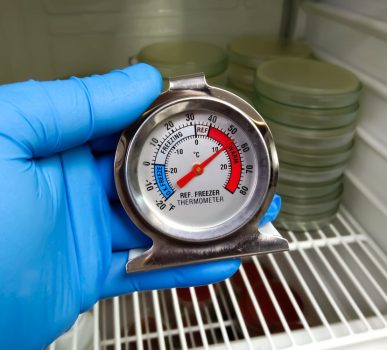
How to Troubleshoot Temperature Excursions?
n the United States, the CDC defines a temperature excursion as “any break in the cold chain of a pharmaceutical product”. The “cold chain”, is a series of refrigerated
Read more
Vaccine Storage Temperatures
The 2024 hurricane season has kicked off with an unprecedented start. Hurricane Beryl, an unusually large and powerful storm for this time of year, has already
Read more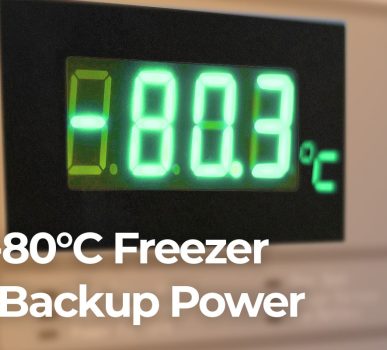
Selecting a Battery Backup System for Minus-80 Freezers
A minus 80 freezer is an ultra-low temperature freezer designed to maintain temperatures at or below -80°C (-112°F). These freezers are often used in
Read more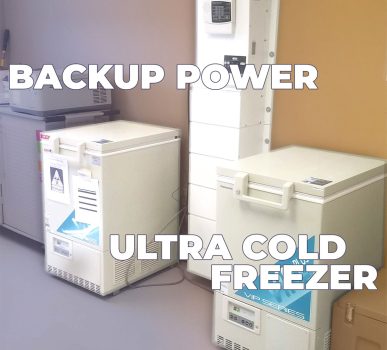
Why You Need Backup Power For Ultra Cold Freezers
An ultra cold freezer—also called an ultra low temperature (ULT) freezer— is a type of laboratory freezer that has an ideal temperature range of -40oC to -86oC. Ultra cold freezers are typically used extensively in life sciences and laboratories to store drugs, enzymes, chemicals, bacteria, and other samples on long-term basis.
Read more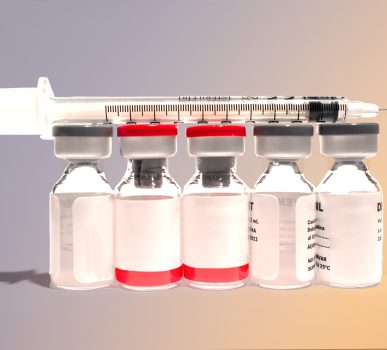
What You Need To Know About Handling Vaccine Diluents
Diluents are a crucial part of any immunization process. So knowing the best ways to handle them is non-negotiable. The World Health Organisation makes some recommendations regarding the storage and handling of diluents, and this article delves into those recommendations.
Read more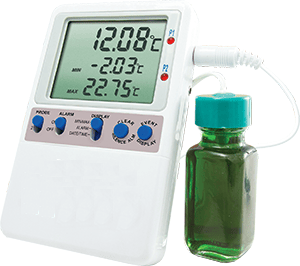
Vaccine Storage and Temperature Guidelines
The CDC requires vaccine refrigerators to maintain temperature ranges between 2° to 6°C (36° to 46°F), and vaccine freezers to maintain temperature ranges between -50° to -15°C (-58° to +5°F). The vaccine’s package insert may also be consulted for additional information. The appliance temperature should be checked every time the unit is accessed, and min/max temperatures recorded at the start of each day.
Read more