Best Practices for Effective Vaccine Inventory Management
Effective vaccine inventory management is critical to the success of any healthcare facility providing both generalized and specialized medical services. An efficient vaccine inventory management system ensures that your vaccine ordering, stock rotation, and vaccination services are available to your patients as and when needed.
Tips for Maintaining Proper Flu Vaccine Storage Temperature
The US Center for Disease Control and Prevention (CDC) recommends the optimal flu vaccine storage temperature range to be between 2oC and 8oC (35°F – 46°F).
What Are the Recommendations For VFC Data Loggers?
Effective vaccine storage depends on keeping them in optimal temperature ranges. The Center for Disease Control recommends keeping vaccines in temperature ranges of 2°C to 8°C. However, keeping the vaccines in this range requires monitoring vaccine temperatures regularly.
If you own a medical facility or run one, you may need to transport your vaccines and diluents for different reasons. These reasons may range from sudden power outages to equipment failure to natural disasters. Alternatively, you may simply need to move vaccines from one facility to another if your practice has multiple facilities.
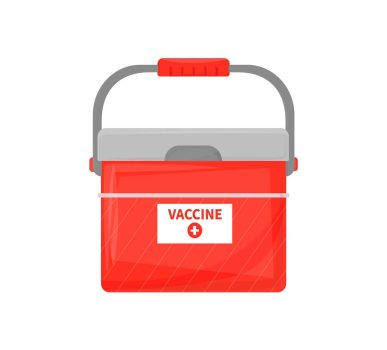
Vaccine Transport During Emergency: Best Alternative Way
Power outages happen. Whether due to extreme weather conditions, natural disasters, or equipment breakdown, they happen. So, as a person running a healthcare facility or medical center, you should prepare for these power outages to the best of your ability.
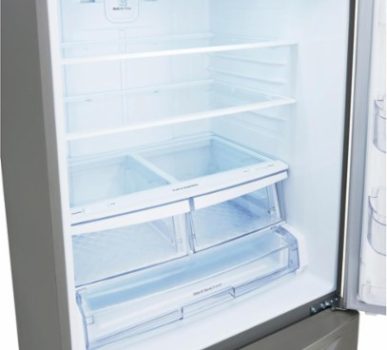
What is a Normal Refrigerator Temperature Range & What is Safe?
Have you ever opened a fridge and found the products inside have gone bad even though the fridge is still cool? How does it happen? Simple. The refrigerator temperature range rose above the ‘Danger Zone’. This can happen for different reasons ranging from
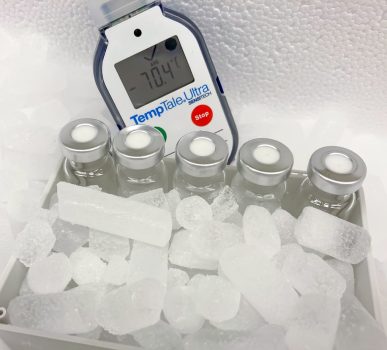
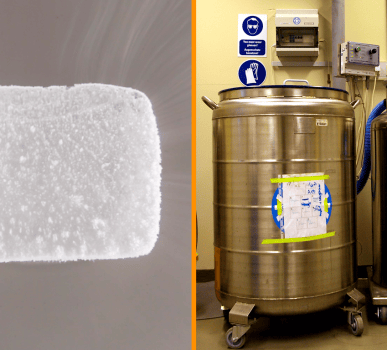
Liquid Nitrogen Freezer or Dry Ice for Vaccine Storage?
Almost two years into the coronavirus pandemic, over 10 Billion doses of the various COVID-19 vaccines have been manufactured, delivered and administered across the globe. In the United States 2 of the 3 major COVID-19 vaccines (Pfizer-BioNTech, brand name Comirnaty and Moderna, brand name Spikevax) require storage conditions much more extreme than most of our previously developed, non-COVID vaccines.