Recommended Vaccine Temperature Ranges
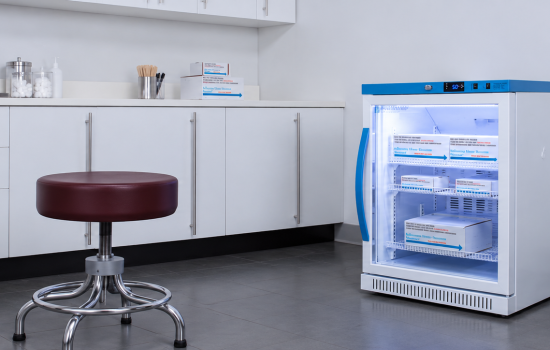
The CDC requires vaccine refrigerators to maintain temperature ranges between 2° to 6°C (36° to 46°F), and vaccine freezers to maintain temperature ranges between -50° to -15°C (-58° to +5°F). The vaccine’s package insert may also be consulted for additional information. The appliance temperature should be checked every time the unit is accessed, and min/max temperatures recorded at the start of each day.
It is important for every facility that is administering vaccines, to maintain the temperature and storage guidelines, that are set out in the CDC’s Vaccine Storage and Handling Toolkit. Without utilizing these best practices, vaccines can become damaged or impotent. This can lead to patients being left un-vaccinated, as well as a great loss of time and money to replace the inventory.
Tips For Keeping Vaccine Temperatures At Optimal Ranges
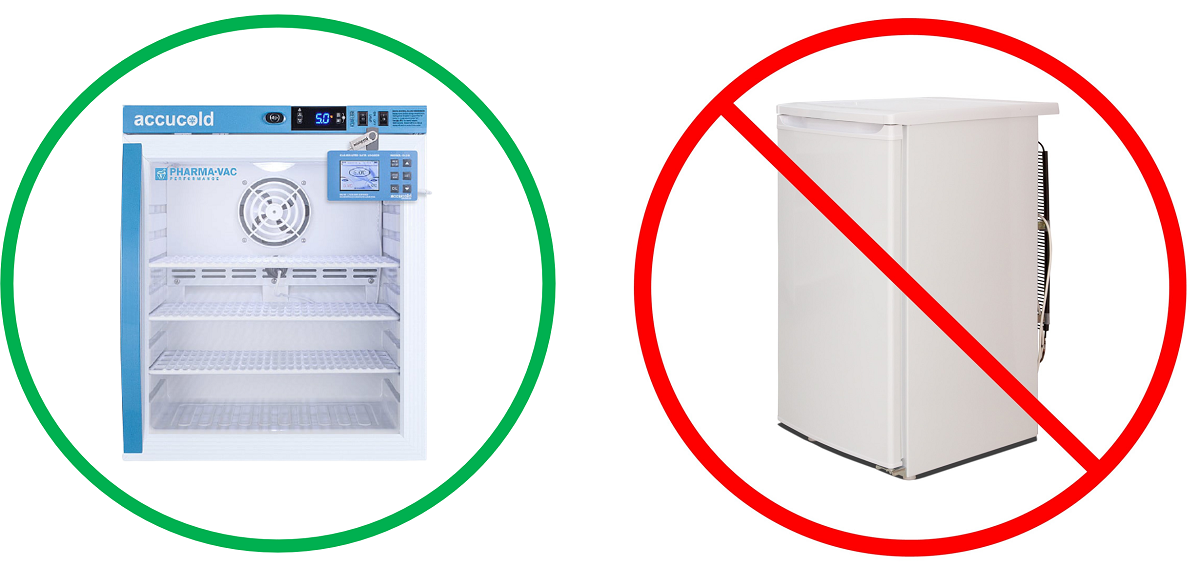
1) Use A Purpose-built or Pharmaceutical Grade Refrigerator
These units are typically designed to handle vaccine storage and keep temperatures at optimal ranges effortlessly. In addition, they are equipped with temperature controls that ensure more accurate temperature ranges. They are also equipped with other features, such as alarms that indicate when a door is left open and fans that provide forced-air circulation which limit cold/warm spots.
2) Monitor Temperatures with a Digital Data Logger
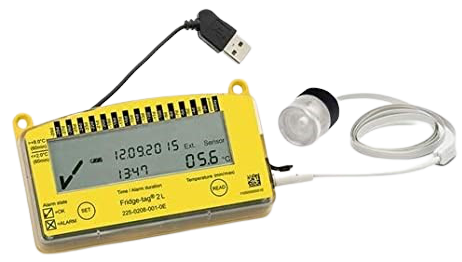
Also recommended by the CDC is the use of a DDL (digital data logger). These devices enable temperature data storage, so that any ‘temperature excursions’ can be reviewed for length of time, and highest and lowest temperatures reached.
A DDL should have the following features:
- A ‘buffered temperature probe’ as they measure the actual vaccine temperature. Alcohol or mercury thermometers will only measure the temperature of the air.
- An alarm for out-of-range temperatures
- Low-battery indicator
- Current, minimum, and maximum temperature display
- An accuracy reading of +/-0 .5°C (+/-1° F)
- Logging interval (or reading rate) that you can program to measure and record temperatures at least every 30 minutes
- Current and valid Certificate of Calibration Testing
DDL’s should be calibrated according to the manufacturer’s timeline. Data should be kept for at least three years so that long-term trends and/or reoccurring problems can be traced. The temperatures on the DDL should be checked every time the appliance is accessed.
3) Have A Procedure For Recording Temperature Excursions
Temperature excursions happen when a storage unit has a temperature reading outside the recommended ranges in the manufacturer’s vaccine package inserts. The CDC recommends the following steps when a temperature excursion occurs:
- Label exposed vaccines, “DO NOT USE” and separate them from other vaccines, preferably in a separate container. Do not discard them
- Document the event and a description of what happened, including the following information:
- Date and time of the temperature excursion
- Storage unit temperature as well as room temperature, if available
- The length of time the vaccine may have been affected. If you are using a DDL, it will provide you with the data you need.
- How many vaccines were affected?
- Other items in the storage unit other than the vaccines
- Any problems with the storage unit and/or affected vaccines before the event
- Other relevant information
- Readjust the unit temperature to its suitable range and ensure that the TMD is correctly placed in the center of the vaccines.
- Contact your immunization program and/or vaccine manufacturer for guidance on dealing with the affected vaccines. This guidance should include whether to recall patients for revaccination
4) Implement an Emergency Transport Plan
Even with a generator or battery backup system in place, the cold storage appliance could still fail, leaving the vaccines vulnerable to a rise in temperature. To guard against this, an Emergency Transport Plan should be put in place. This will involve packing up the vaccines in a ‘qualified’ container per CDC packing guidelines and transporting them to another facility. The alternative storage facility should be contacted before leaving to ensure the storage space is available, and temperatures monitored on the way with a TMD (temperature monitoring device).
Learn more about protecting vaccines during an emergency power outage. With our new “Planning Guide”
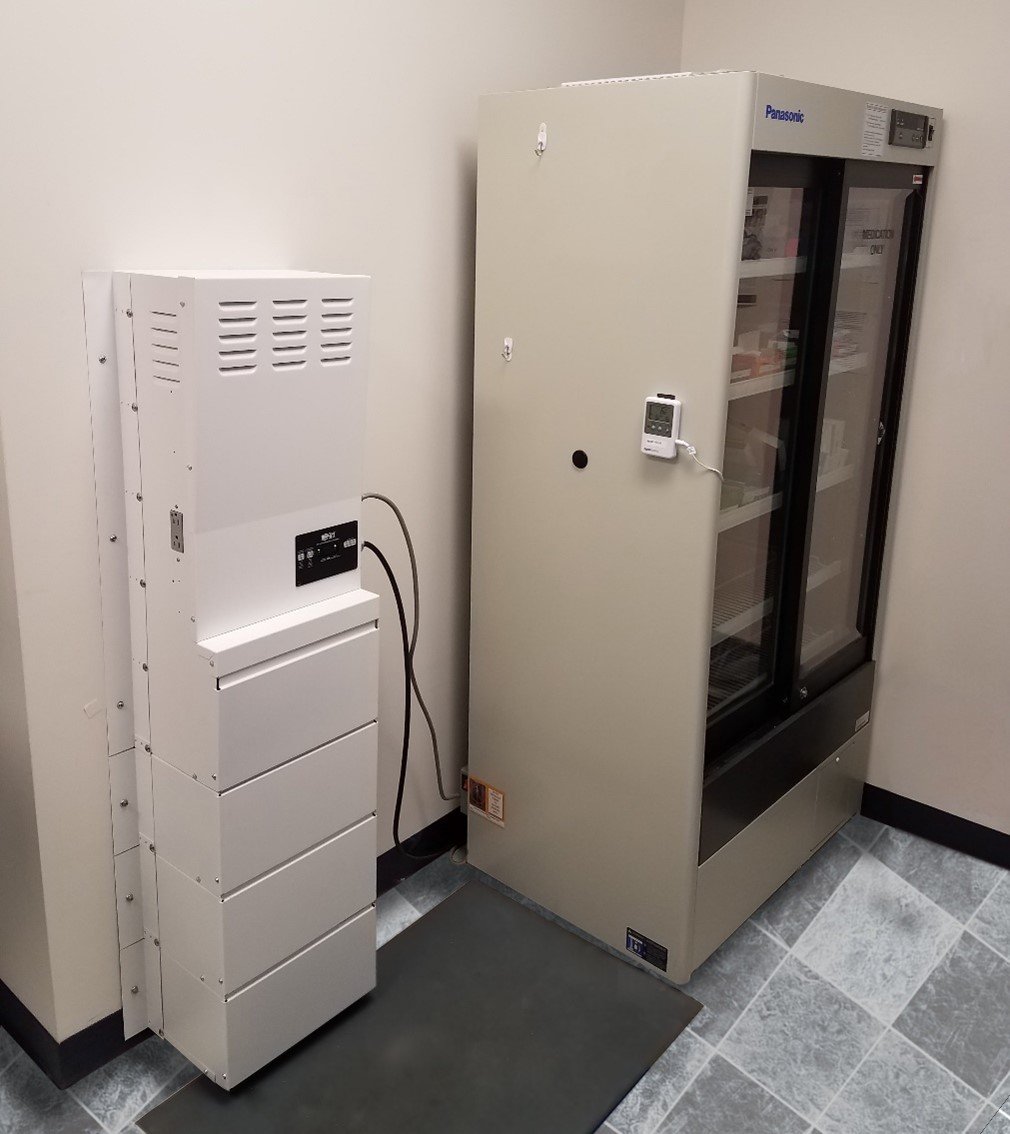
5) Protect your Vaccines with a Backup Power Source
Without backup power, an entire vaccine inventory could be wiped out in a single power outage. Rising temperatures due to loss of power could cause the vaccines to lose their effectiveness within an hour or two. It is important that a Battery Backup System or a Fuel Powered Generator be in put in place to avoid these costly incidents. It is also important that the system be tested weekly and monthly to ensure the system is functional. Manufacturer guidelines for maintaining the system should also be followed. A power outage alert system should also be integrated with the backup power source, so you know how long the system has been running.
This post is a brief summary of the CDC guidelines for maintaining temperature integrity. For a comprehensive guide, we strongly recommend reading the CDC’s Vaccine Storage and Handling Toolkit. At Medi-Products we are always willing to help customers with vaccine storage challenges, and would enjoy hearing from you.
Learn More About Battery Backup Power
To answer even more of your questions and find additional solutions to problems that could affect your medical facility or laboratory, check out these other articles from the Medi-Products blog and the Medi-Products Learning Center:
What Are the NSF456 Vaccine Storage Standards? Are You Compliant?
Meeting Recommended Standards and Requirements and for VFC, CDC and NSF456