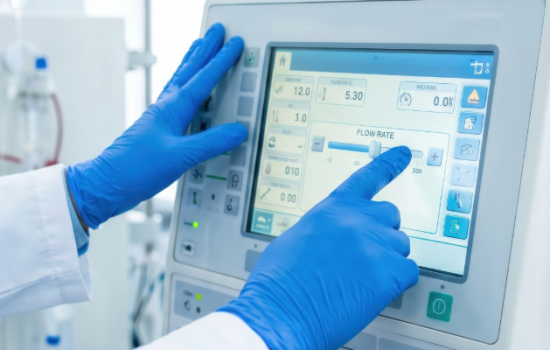
Power Outage Impact at Hospitals
What Happens When a Hospital Loses Power?
When a hospital loses electrical power, it triggers a cascade of critical issues—patient care is compromised, essential equipment can fail, and operations can grind to a halt. Missing illumination jeopardizes high-risk procedures, and life-supporting devices may stop working, especially in sectors like intensive care.
Consequences of Power Loss in a Hospital
A blackout can lead to:
- Surgical procedures proceeding without adequate lighting
- Entire areas falling into darkness due to lack of emergency lighting, heightening safety risks
- Essential medical devices like ventilators becoming inoperative, particularly impacting neonatal, cardiac, or ICU patients
- Climate control systems (heating, cooling, ventilation) failing, disturbing the necessary care environment
- The inability to use critical life-saving equipment, potentially affecting patient outcomes
Battery Backup UPS for Diagnostic Labs
How to Mitigate the Impact of Hospital Power Failures
- Develop and maintain response strategies to handle outages
- Train staff and conduct regular drills to improve readiness
- Establish key protocols, such as:
- Maintaining up-to-date contact info for the utility provider
- Understanding the facility’s location within the power distribution network
- Prioritizing power restoration for critical areas
How an Uninterruptible Power System Can Help
An Uninterruptible Power Supply (UPS) delivers instantaneous power during an outage—no switch-over delay—securing the operation of sensitive medical systems. EverSafe’s UPS solutions support critical infrastructure like HVAC systems, ventilators, and patient monitors, helping preserve patient safety and smooth clinical operations. Plus, they offer peace of mind, ensuring life-saving equipment and vital medications remain powered.
In Conclusion
Power outages in healthcare environments pose substantial risks to patient care. By combining robust response planning, staff training, and reliable UPS solutions, hospitals can significantly reduce these risks and ensure uninterrupted patient support. Prioritizing preparedness and dependable power systems is essential in protecting patient welfare during unforeseen disruptions.