Many pharmacies have begun to notice a change in the types of medications moving through their inventory. A growing number of newer therapies require refrigerated storage, and this shift is not coincidental. It reflects a broader transformation in pharmaceutical innovation.
For decades, most medications were small-molecule drugs. These chemically synthesized compounds are generally stable at controlled room temperature. Blood pressure medications, statins, oral diabetes treatments, and many other traditional therapies fall into this category. Their molecular structure allows them to remain stable without refrigeration, making storage relatively straightforward.
Today, however, a significant portion of newly developed therapies are biologics. Unlike traditional drugs, biologics are derived from living systems and include monoclonal antibodies, peptide-based treatments, hormone therapies, and other complex injectable medications. These molecules are structurally larger and far more sensitive to environmental conditions.
Because biologics are protein-based, they can lose potency when exposed to temperatures outside their labeled range. Heat can alter their structure or reduce effectiveness, even if the exposure is brief. For that reason, most biologic medications must be stored between 36°F and 46°F (2°C to 8°C) until they are dispensed or used.
This trend extends across multiple therapeutic categories. Cardiovascular injectables such as PCSK9 inhibitors, autoimmune biologics, certain oncology treatments, vaccines, and many newer endocrinology therapies all rely on refrigerated storage. GLP-1 medications are one visible example of this broader shift, but they are far from the only one.
In recent years, biologics have accounted for a substantial share of new FDA approvals. They also represent a growing percentage of overall drug spending. As these therapies become more common, refrigeration is no longer limited to specialty or hospital settings. It is increasingly central to routine pharmacy operations.
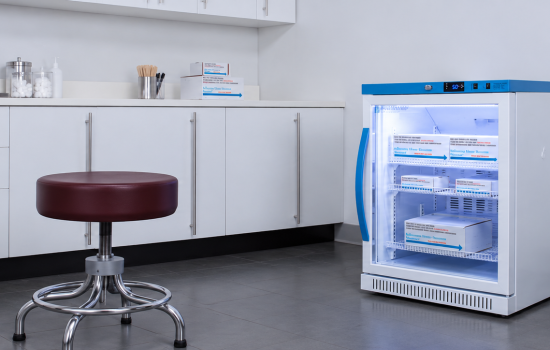
Operationally, this change carries real implications. Biologic medications are often high cost and high demand. Pharmacies may have tens or even hundreds of thousands of dollars in temperature-sensitive inventory stored in a single refrigerator. Maintaining stable cold storage conditions is not simply a matter of compliance. It is directly tied to financial risk management and continuity of care.
The movement toward biologics is expected to continue. Personalized medicine, specialty injectables, and advanced therapies remain areas of rapid development. As pharmaceutical science evolves, infrastructure must evolve with it.
Cold storage is becoming a foundational component of modern medication management. Understanding that trend is essential for pharmacies planning for the future.
If you are responsible for your pharmacy cold storage infrastructure and would like to find out how a battery backup for your pharmaceuticals and vaccine refrigeration makes financial sense, call us today at 1.800.765.3237 or fill out the form below for a quick ROI assessment.