10 Ways to Improve Your Facility’s Healthcare Architecture
Healthcare architecture (also called healthcare design) is an essential, but underappreciated sector of the healthcare industry. Having professional and experienced healthcare professionals isn’t all it takes. Nor is it enough to have a physical location where people go to receive medical attention.
What You Need To Know About Handling Vaccine Diluents
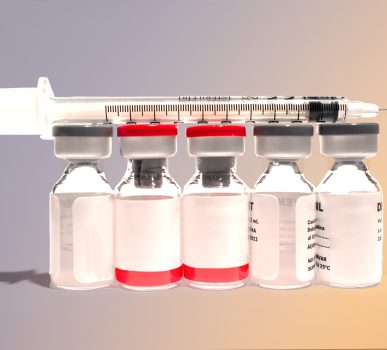
Diluents are a crucial part of any immunization process. So knowing the best ways to handle them is non-negotiable. The World Health Organisation makes some recommendations regarding the storage and handling of diluents, and this article delves into those recommendations.
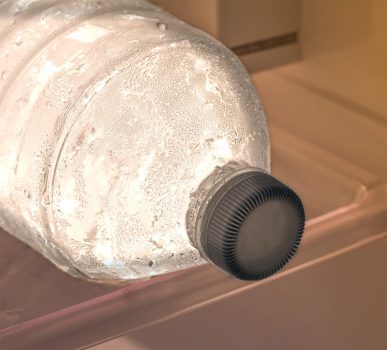
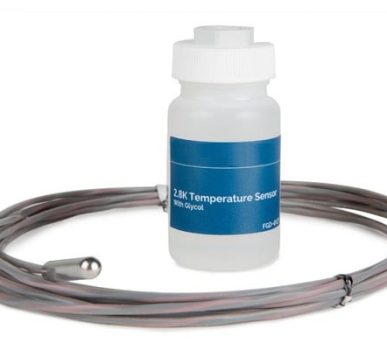
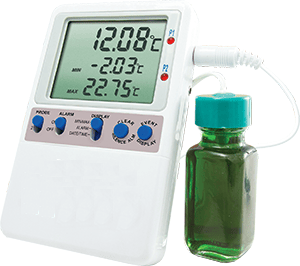
The CDC requires vaccine refrigerators to maintain temperature ranges between 2° to 6°C (36° to 46°F), and vaccine freezers to maintain temperature ranges between -50° to -15°C (-58° to +5°F). The vaccine’s package insert may also be consulted for additional information. The appliance temperature should be checked every time the unit is accessed, and min/max temperatures recorded at the start of each day.
Lab incubator are essential pieces of equipment in all research facilities. Their controlled environments are perfect for safe and reliable work with cell and tissue cultures. It regulates conditions such as temperature, humidity, and CO2.
Best Practices for Effective Vaccine Inventory Management
Effective vaccine inventory management is critical to the success of any healthcare facility providing both generalized and specialized medical services. An efficient vaccine inventory management system ensures that your vaccine ordering, stock rotation, and vaccination services are available to your patients as and when needed.
Tips for Maintaining Proper Flu Vaccine Storage Temperature
The US Center for Disease Control and Prevention (CDC) recommends the optimal flu vaccine storage temperature range to be between 2oC and 8oC (35°F – 46°F).
Why You Need Tissue Processor Battery Backup Power
Acquiring backup power for a labs tissue sample processors ensures that any and all tests ran do not yield unfavorable outcomes. Especially for facilities who handle irreplaceable research samples or hard to acquire patient samples.