A Guide to Sustainable Cold Storage
Energy efficiency is an increasingly important consideration for industries that rely on ultra-low freezers. These specialized cold storage units, which maintain temperatures between -40°C and -86°C (-40°F to -122.8°F), are essential for preserving sensitive materials such as biological samples, pharmaceuticals, and other temperature-sensitive substances. While they provide reliable and consistent storage, their high energy consumption presents challenges in terms of operational costs and environmental impact. Finding ways to improve efficiency not only reduces expenses but also supports sustainability efforts.
Understanding Ultra-Low Freezers and Their Role
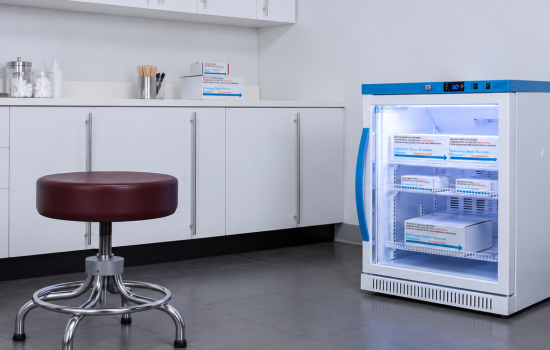
Ultra-low freezers serve a crucial purpose across a wide range of fields. In healthcare, they are indispensable for vaccine storage and the long-term preservation of biological samples. Research laboratories rely on them to maintain experimental reagents and materials, ensuring that valuable research can continue without risk of degradation. Industrial applications also depend on these freezers to stabilize temperature-sensitive substances that must remain at precise conditions. Despite their necessity, these units require substantial amounts of energy to function at such extreme temperatures, making efficiency a priority.

Why Energy Efficiency Matters in Ultra-Low Freezers
The high energy demands of ultra-low freezers come with financial and environmental consequences. Facilities that optimize their cold storage units can significantly lower their utility bills, freeing up resources for other critical operations. At the same time, reducing energy consumption helps decrease the overall carbon footprint, contributing to broader sustainability initiatives. Beyond cost and environmental impact, efficient operation extends the lifespan of these units, minimizing wear and tear and reducing the frequency of repairs or replacements.
Key Strategies for Improving Energy Efficiency
Several factors influence how efficiently an ultra-low freezer operates. One of the most significant is its placement within a facility. Positioning a freezer in a cool, well-ventilated area away from heat sources like HVAC units or direct sunlight prevents unnecessary energy use. Allowing enough space around the unit for proper airflow also helps maintain stable performance.
Routine maintenance plays a major role in keeping these freezers running efficiently. Cleaning condenser coils regularly removes dust and debris that could force the system to work harder than necessary. Door seals should be checked periodically, as damaged or worn gaskets can cause air leaks, leading to temperature fluctuations and increased energy use. Additionally, calibrating the temperature settings ensures that the unit is not overcompensating or working harder than required.
Storage organization within the freezer also impacts energy efficiency. Overloading shelves can obstruct airflow, making it harder for the unit to maintain uniform cooling. Clearly labeling samples and arranging them in an orderly manner helps reduce the time the freezer door is open, preventing unnecessary temperature fluctuations and energy spikes.
Upgrading to modern, energy-efficient models is another effective approach. Newer freezers equipped with advanced insulation technology and variable-speed compressors adjust cooling intensity based on demand, reducing overall energy consumption. Models that carry Energy Star certification or similar efficiency ratings offer further assurance that the unit is designed for optimal performance with minimal waste.
Factors That Affect Energy Performance
Ultra-low freezers operate best when temperature stability is maintained. Frequent door openings or prolonged exposure to outside air can cause fluctuations that force the system to work harder to restore the correct temperature. As mentioned, managing storage loads properly also makes a difference—items should be evenly distributed to allow airflow to circulate freely and maintain uniform cooling. Older models tend to be less efficient than newer designs, so replacing outdated systems with energy-efficient alternatives can lead to significant energy savings over time.
How Energy-Efficient ULFs Benefit Different Industries
Many industries rely on ultra-low freezers as part of their day-to-day operations, and improving their energy efficiency brings widespread benefits. In healthcare settings, ensuring that vaccines and biological samples remain stable without excessive energy consumption helps control costs while maintaining critical supplies. Research institutions benefit from long-term preservation of experimental materials without driving up energy bills. The food and beverage industry relies on cold storage for specialized ingredients that must remain fresh, while biotechnology companies safeguard genetic materials and reagents essential for scientific advancements.

Medi-Products and Sustainable Cold Storage Solutions
Medi-Products is committed to enhancing the reliability and efficiency of ultra-low freezers through innovative backup power solutions. Our standalone systems provide dependable power during outages, ensuring that sensitive materials remain protected at all times. Hardwired systems integrate seamlessly with existing infrastructure to support uninterrupted operations, while SaverCell systems offer a cost-effective approach for facilities seeking budget-conscious solutions. By combining expertise with advanced technology, Medi-Products helps organizations maintain sustainable cold storage practices while ensuring operational security.
Moving Toward a More Sustainable Future
Optimizing the energy efficiency of ultra-low freezers is more than just a practical step—it’s a commitment to sustainability. From thoughtful placement and routine maintenance to investing in newer, energy-efficient systems, these strategies make a measurable difference in reducing energy consumption and lowering costs. Facilities that take proactive steps in improving their cold storage operations not only benefit financially but also contribute to broader environmental efforts.
For those looking to upgrade their existing systems or explore energy-efficient options, Medi-Products offers tailored solutions designed to meet the needs of any facility. Contact our team today to discover how we can help you achieve reliable and sustainable cold storage.