In the realm of rheumatology, the efficacy of medications is paramount in alleviating symptoms and improving patients’ quality of life. Many rheumatology drugs, particularly biologics and disease-modifying antirheumatic drugs (DMARDs), are highly sensitive to temperature fluctuations and require strict cold chain management. As medical professionals, it is our responsibility to master cold chain protocols to ensure the potency and integrity of these medications from production to administration. In this blog, we will delve into the intricacies of cold chain management for rheumatology drugs, emphasizing the importance of maintaining the cold chain and exploring the role of battery backup power in safeguarding these temperature-sensitive medications during power outages or unforeseen disruptions.
The Significance of Cold Chain Management
Cold chain management involves the continuous monitoring and maintenance of specific temperature ranges during the storage, transportation, and handling of temperature-sensitive medications. In the context of rheumatology, where biologics and DMARDs play a vital role in disease management, the cold chain is critical to ensuring the medications’ stability and efficacy. Deviations from the required temperature range can lead to the degradation of active compounds, rendering the drugs less effective or even completely inert. As medical professionals, we must adhere to strict cold chain protocols to preserve the therapeutic potential of these medications.
Proper Storage and Temperature Monitoring
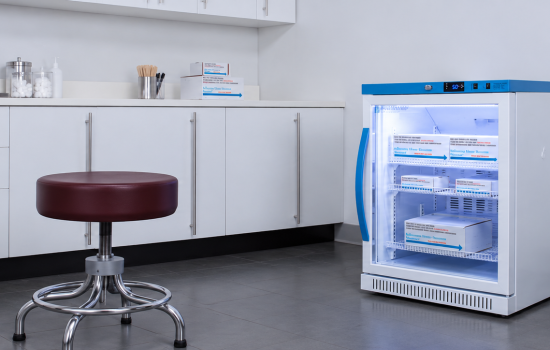
To maintain the cold chain, rheumatology drugs must be stored under controlled conditions within the recommended temperature range. Utilizing pharmaceutical-grade refrigerators and temperature-controlled storage units is essential. Regular temperature monitoring is vital to identify any deviations promptly. Implementing temperature monitoring systems with real-time alerts ensures that healthcare providers can take immediate action if temperatures fluctuate outside the specified range.
Transportation and Handling
Cold chain management extends beyond storage to include transportation and handling of rheumatology drugs. When shipping or transferring these medications, it is crucial to use validated cold storage containers or insulated packaging to maintain the desired temperature. Healthcare professionals should be trained in proper handling procedures to minimize the risk of temperature excursions during transit.
Backup Power Solutions for Cold Chain Integrity
Battery backup power solutions play a critical role in safeguarding the cold chain of rheumatology drugs, especially during power outages or emergencies. Power disruptions can compromise the stability of temperature-sensitive medications stored in refrigeration units. By incorporating battery backup power systems, healthcare facilities can ensure that refrigerators and temperature-controlled storage units continue to operate even during power outages. This uninterrupted power supply prevents temperature fluctuations, preserving the potency and efficacy of rheumatology drugs and safeguarding patient safety.
Conclusion
As medical professionals in the field of rheumatology, mastering cold chain management is essential in ensuring the potency and efficacy of temperature-sensitive medications. Proper storage, transportation, and handling are crucial to maintaining the cold chain throughout the medication’s journey. By adhering to strict protocols and utilizing advanced temperature monitoring systems, we can safeguard the therapeutic potential of biologics and DMARDs, providing the best possible care for patients with chronic inflammatory conditions. Moreover, by integrating battery backup power solutions, we ensure uninterrupted power supply during power outages or unforeseen disruptions, protecting the integrity of these vital medications and reinforcing our commitment to patient safety and optimal treatment outcomes. Embracing cold chain management and battery backup power technology is key to advancing the quality of rheumatology care and improving the lives of our patients.