Clean and steady power is essential for keeping our gadgets and electronics safe. Both power conditioners and UPS (Uninterruptible Power Supplies) help with this, but they do different things. This guide will explain what each one does and help you decide which one you might need.
A power conditioner makes the power that goes to your devices better by keeping the voltage steady, filtering out noise, and protecting against power surges. This helps your devices run smoothly and last longer. Power conditioners use special parts like transformers and filters to clean and steady the power. Using a power conditioner ensures better power quality by keeping the voltage steady and filtering out noise, resulting in clean power. It also protects your devices from power spikes, ensuring they work their best and last longer by reducing electrical stress.
On the other hand, a UPS provides backup power when the main power goes out. It has a battery that kicks in during a power outage, giving you time to save your work and shut down your devices properly. UPS systems also protect against power surges and keep the voltage steady. With a UPS, your devices will continue running during a power outage, preventing data loss during short power interruptions and protecting against voltage spikes.
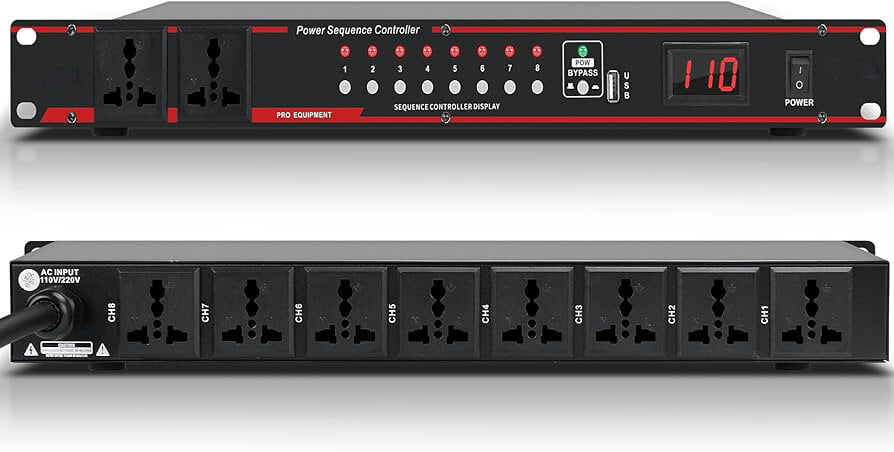
The primary role of a power conditioner is to improve power quality through noise filtering and voltage regulation. In contrast, a UPS offers backup power during power loss and surge protection. Internally, a power conditioner uses transformers and filters to clean and regulate power, while a UPS uses a battery to provide power during outages. Power conditioners are best for places needing high-quality power, like recording studios, hospitals, or labs. UPS systems are ideal for places that must keep running during power outages, such as data centers, offices, or home computers.
A surge protector is another device to consider. It is a simple device that protects your electronics from high voltage spikes by redirecting extra voltage away from your devices to prevent damage. Surge protectors are common in homes and offices for devices like computers and TVs. While a power conditioner protects against surges, filters noise, and stabilizes voltage, a surge protector only protects against voltage spikes. Power conditioners are more complex and expensive, whereas surge protectors are simpler and cheaper. Surge protectors protect basic electronics in homes and offices, while power conditioners protect high-end and sensitive equipment like medical devices.
When deciding between a power conditioner and a UPS, consider your specific needs. If you need clean, stable power, a power conditioner is the better choice. If you need power during outages, a UPS is necessary. Power conditioners and UPS devices can vary in price, with basic models being cheaper and high-end models for professional use being more expensive.

In some cases, using both a power conditioner and a UPS can provide the best protection. For example, in a recording studio, a power conditioner ensures clean power for audio equipment, while a UPS provides backup power during outages. In a home office, a basic UPS keeps your computer running during short power losses, and a surge protector guards against voltage spikes. A power conditioner can provide clean power for your audio and video equipment. In a professional studio, a high-end power conditioner ensures perfect power for studio equipment, and a UPS provides backup power to prevent data loss during outages.
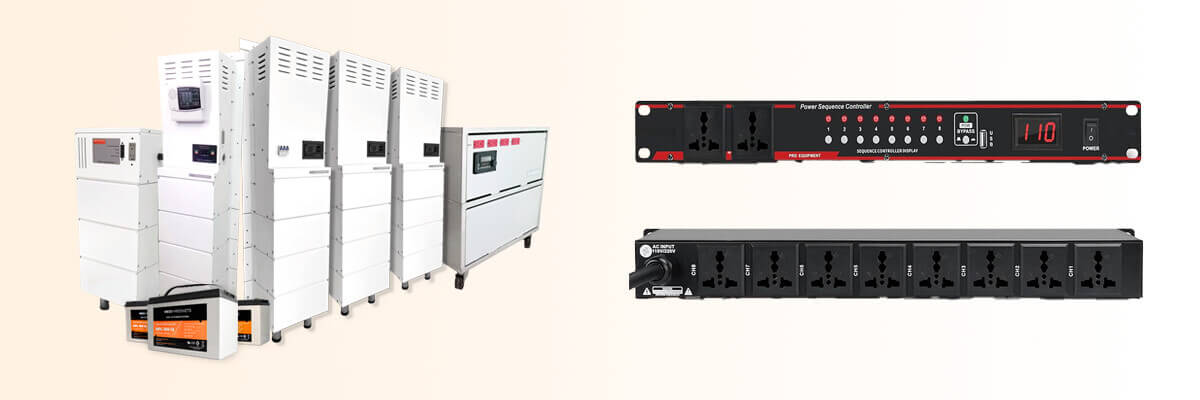
Understanding the differences between a power conditioner and a UPS helps you choose the right one for your needs. Power conditioners ensure clean and stable power, while UPS systems provide backup power during outages. Knowing about surge protectors also helps in making the best choice. By considering what each device does, you can keep your electronics safe and running smoothly.