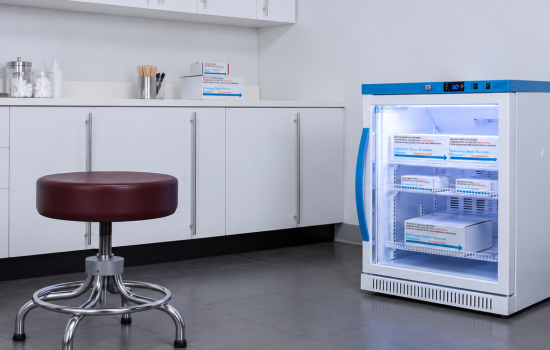
Medication administration is a fundamental aspect of managing rheumatology patients with chronic inflammatory conditions. As healthcare professionals, our commitment to precision and safety is crucial in delivering effective treatments that improve patients’ quality of life. In this blog, we will explore essential strategies for mastering medication administration in rheumatology, encompassing accurate dosing, monitoring, patient education, and the incorporation of emerging technologies. Moreover, we will emphasize the significance of battery backup power in maintaining uninterrupted access to critical medication information and storage, safeguarding patient care during unexpected disruptions.
1. Accurate Dosage and Administration Techniques
In rheumatology, precision is paramount when administering medications. Pay close attention to dosage calculations, as some rheumatology drugs have narrow therapeutic windows. Always use standardized measuring devices and double-check calculations to prevent medication errors. Additionally, be well-versed in various administration techniques, such as subcutaneous and intramuscular injections, to ensure patients receive their treatments with minimal discomfort and maximum efficacy.
2. Regular Monitoring and Follow-Up
Frequent monitoring is essential to track patient responses to medications and detect any adverse effects promptly. Monitor disease activity, inflammatory markers, and potential medication-related side effects to tailor treatment plans accordingly. Regular follow-up appointments allow for adjustments in medication dosages and help in determining whether the current treatment strategy is effectively managing the disease.
3. Empowering Patient Education
Empowering patients with knowledge about their medications is key to promoting medication adherence and treatment success. Provide comprehensive patient education on medication dosing, administration techniques, possible side effects, and the importance of adherence. Encourage open communication, allowing patients to express any concerns or challenges they may encounter during their treatment journey.
4. Leveraging Emerging Technologies
Incorporate emerging technologies, such as smart medication storage solutions and telemedicine platforms, into medication administration practices. Smart storage systems provide real-time monitoring of medication conditions, ensuring that temperature-sensitive rheumatology drugs remain within the required range. Telemedicine facilitates remote patient monitoring and virtual consultations, promoting patient engagement and adherence.
5. The Role of Battery Backup Power in Medication Administration
Battery backup power is a critical component in mastering medication administration in rheumatology. During power outages or natural disasters, battery backup systems ensure the continuity of crucial technologies used in medication management, such as electronic health records, smart storage solutions, and telemedicine platforms. The uninterrupted power supply guarantees access to accurate patient information, medication schedules, and treatment plans, allowing healthcare professionals to make informed decisions in any situation. Furthermore, battery backup power protects medication storage units from temperature fluctuations, preserving the potency and efficacy of rheumatology medications and preventing wastage during emergencies.
Conclusion
Mastering medication administration in rheumatology is essential to achieving positive patient outcomes and optimizing treatment efficacy. By focusing on accurate dosing, regular monitoring, patient education, and incorporating emerging technologies, healthcare providers can ensure precise and safe medication management. Additionally, integrating battery backup power into medication administration practices is vital for maintaining uninterrupted access to essential patient information and medication storage during emergencies. Together, these strategies form a robust foundation for delivering high-quality care to rheumatology patients and reinforcing our commitment to their well-being.